



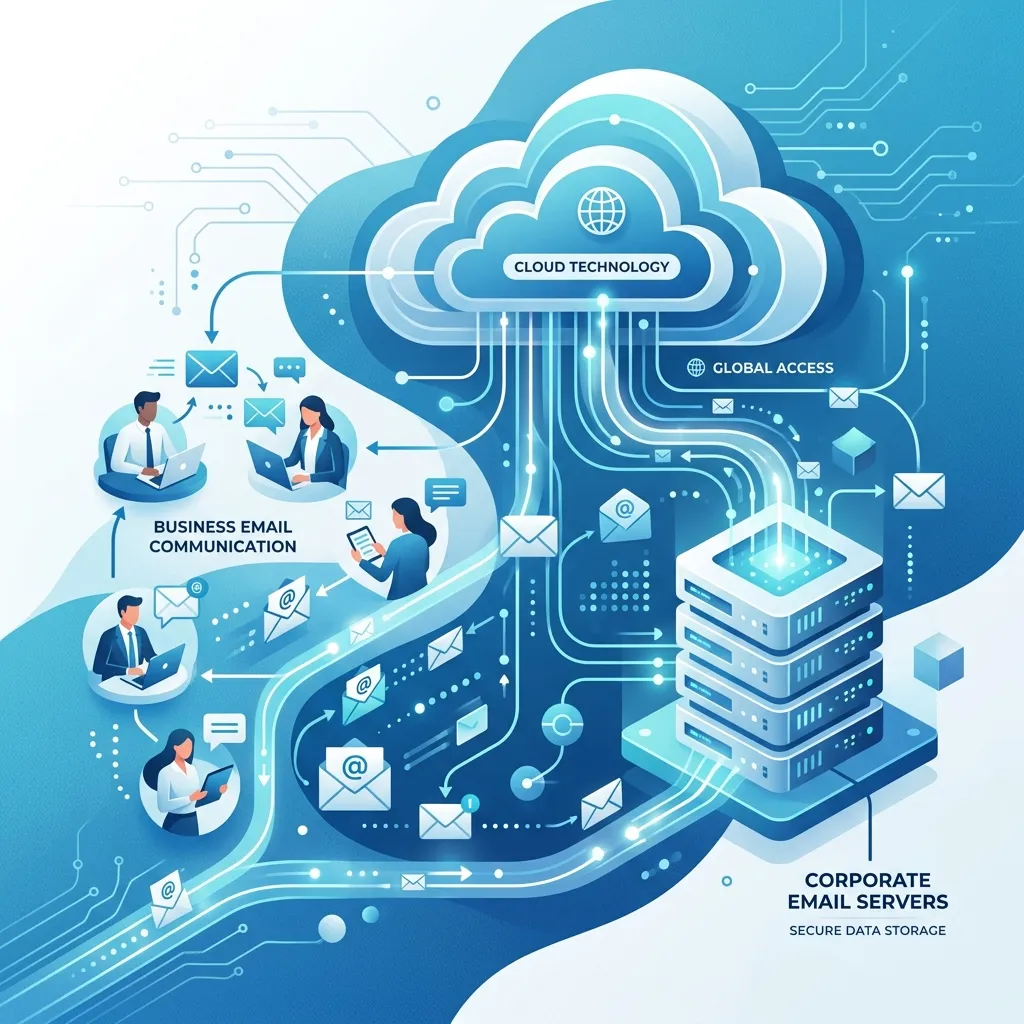
 Google Workspace Overview
 Gmail
Gmail
 Google Calendar
 Google Drive
 Google Editors
 Google Docs
 Google Sheets
 Google Slides
 Google Forms
 Google Sites
 Google Keep
 Google Vids
 Google Chat
 Google Admin
 Endpoint Management
 Remote Desktop
 Looker Studio
 Apps Script
 Workspace Studio
 Vault
Vault AppSheet
 Gemini
 Gemini Notebook
 Pricing
 Google Cloud Overview
 Cloud Run
 Compute Engine
 Cloud Storage
 BigQuery
 Google Kubernetes Engine
 Looker
 Apigee API Management
 Cloud SQL
 Gemini Enterprise
 Cloud CDN
 Microsoft
365 Overview
Microsoft
365 Overview Microsoft Outlook
 Microsoft Teams
 Microsoft Excel
 Microsoft Word
 Microsoft OneDrive
 Microsoft PowerPoint
 Microsoft SharePoint
Why Cloud Security Belongs at the Top of Your Priority List
Security grows more important the further organizations move into cloud-first setups. Misconfiguration on the customer side, not weaknesses in the cloud platform, causes 95% of cloud security failures.
Google Workspace provides multiple layers of protection, but knowing how to configure and use them properly is what separates a secure organization from a vulnerable one.
Security Capabilities Already Built Into Google Workspace
Multi-Factor Authentication (MFA)
Few controls stop account compromise as effectively as MFA. Enforced correctly, it cuts successful phishing attacks by 99.9%.
Supported authentication options include:
- Google Authenticator (TOTP)
- Hardware security keys (FIDO2/WebAuthn)
- Phone-based verification
- Passkeys (phishing-resistant authentication)
Single Sign-On (SSO)
A centralized SSO setup strengthens security and streamlines the experience for users:
- Employees use one set of credentials for all apps
- Administrators can revoke access instantly
- All authentication events are logged and auditable
Advanced Endpoint Management
Administrators using Google Workspace can:
- Enforce screen lock and encryption policies on mobile devices
- Remote-wipe lost or stolen devices
- Block access from unmanaged devices
- Apply conditional access policies based on device status
Data Loss Prevention (DLP)
DLP rules scan content automatically to catch sensitive information and stop it from being shared without authorization:
- Credit card and social security numbers
- Confidential business documents
- Personal health information (HIPAA)
- Custom patterns specific to your organization
Best Practices Every Organization Should Follow
1. Make MFA Mandatory Across the Organization
Make MFA mandatory for every user, with no exceptions. Use the Admin Console to enforce hardware keys for your most privileged users.
2. Turn On the Advanced Protection Program
For high-value targets, such as executives, IT administrators, and the finance team, enroll them in Google's Advanced Protection Program, the strongest available protection against phishing.
3. Set Up Alert Policies
Configure automated alerts to catch:
- Suspicious login attempts (new country, unusual time)
- Mass file downloads or deletions
- External sharing of sensitive files
- Admin privilege changes
4. Run Regular Access Reviews
Each quarterly audit should look at:
- Which users have admin privileges?
- Which third-party apps have access to Workspace data?
- Which files are shared externally?
- Which inactive accounts still exist?
5. Train Employees on Security
Human error is still the biggest driver of security incidents. Ongoing phishing-simulation training can bring click rates down from 33% to under 5% within a year.
How Gemini Strengthens Security Operations
AI is changing how organizations detect threats and respond to them:
- Risk analysis - Gemini summarizes security risk across the organization
- Anomaly detection - AI identifies unusual patterns in admin logs
- Incident response - AI generates step-by-step response playbooks
- Report summarization - Convert complex security logs into plain English
Certifications and Compliance Coverage
Google Workspace holds certifications covering:
- ISO 27001 - Information security management
- SOC 2 Type II - Security, availability, and confidentiality
- GDPR - EU data protection compliance
- HIPAA - Healthcare data protection (with BAA)
- FedRAMP - US federal government compliance
Why Businesses Work with Geosoft Cloud
As a Google Workspace Premier Partner, Geosoft Cloud helps businesses:
- Configure secure baseline environments
- Implement MFA and advanced security controls
- Conduct security audits and access reviews
- Train employees on security best practices
- Maintain ongoing compliance
Security is not a one-time project but an ongoing process. Google Workspace provides the foundation - expert implementation and ongoing management ensures maximum protection.